
Lead Change in an AI-Enabled World
Organizations are adapting more often than ever before. AI, new technologies, evolving customer expectations, and changing business priorities continue to reshape how work gets done.
Lasting performance depends on helping people adopt new behaviours, let go of familiar habits, and continue adapting as change becomes part of everyday work.
People Return to What They Know
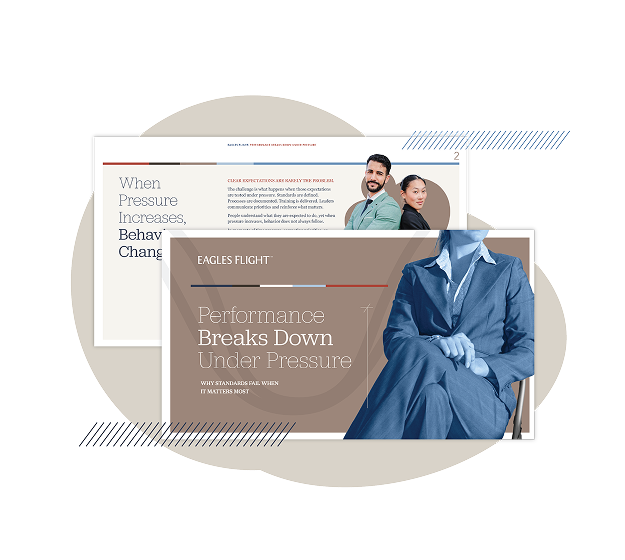
Change is not tested when the strategy is announced. It is tested when people have to apply it while priorities compete, pressure rises, and familiar habits pull them back toward old ways of working.
When Strategy Meets Pressure explores where change begins to lose momentum, why that happens, and how leaders create the conditions for new behaviours to take hold across the organization.
Client Stories
Every change effort is different. The challenge is remarkably consistent: helping new behaviors survive contact with everyday work.

Alectra
Two years after four utilities merged into Alectra, frontline leaders were still navigating four inherited sets of norms with no shared behavioral foundation beneath them. Eagles Flight rebuilt that foundation across 200 frontline leaders in 8 cohorts, restoring confidence eroded by the merger and driving reported increases in leaders’ confidence engaging their teams.

Air Canada
As Air Canada shifted from crown corporation to publicly traded company, commercial pressure rose overnight and manager-employee relationships meant to carry it had already frayed across four unionized workforce groups. Three tailored programs over a four-year partnership engaged 6,000+ leaders and helped bring ten collective agreements to unprecedented durations.
The Four Capabilities of Leading Change
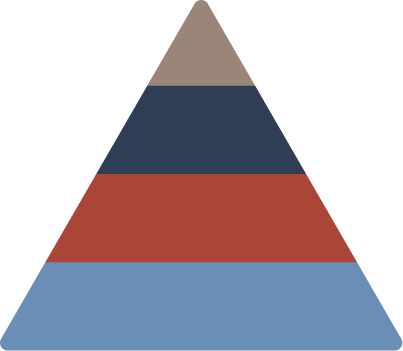
Change becomes sustainable when people understand what is changing, adapt how they work, and reinforce new behaviours until they become the normal way of working. These four capabilities strengthen the conditions that make that possible.
Every organization experiences change differently, so the greatest impact comes from developing the capabilities that will have the strongest influence on long-term adoption and organizational performance.
- Optimizing Change Leadership
- Organizational Change Management
- Influencing Change
- Inspiring and Sustaining Change
Select a capability area to explore how change performance is strengthened.
Optimizing Change Leadership
Change becomes believable before it becomes achievable.
People decide whether change is real by watching what leaders reinforce, how consistently expectations are applied, and whether actions match the message. Leaders who create trust and conviction make it easier for people to adopt new ways of working before asking them to change their behaviour.
- Build conviction around the need for change.
- Create confidence during periods of uncertainty.
- Lead with consistency between words and actions.
- Focus people on what matters most.
- Model the behaviors that support lasting adoption.
- Align teams around changing priorities.
- Build accountability for new behaviors.
- Empower people throughout the change process.
- Create organizational systems that reinforce change.
- Lead transitions without losing momentum.
Organizational Change Management
Organizations adopt change more consistently when the environment supports it.
Clear priorities, shared accountability, aligned systems, and everyday reinforcement help new behaviours become easier to sustain than old habits. Lasting adoption depends on building an organization that makes the desired behaviour the natural choice.
Influencing Change
Commitment grows through conversation.
People build confidence in change through everyday interactions, meaningful feedback, and opportunities to contribute. Leaders who create genuine dialogue help people move beyond understanding the change to believing they can succeed within it.
- Communicate change with clarity and confidence.
- Build trust during periods of uncertainty.
- Influence commitment across teams and stakeholders.
- Provide feedback that supports adoption.
- Strengthen collaboration throughout the organization.
- Reinforce behaviors that support lasting change.
- Build momentum beyond the initial rollout.
- Coach people through ongoing transition.
- Sustain trust as priorities evolve.
- Create lasting behavioral adoption across the organization.
Inspiring and Sustaining Change
Lasting change is built through consistent reinforcement.
Launching an initiative creates momentum. Sustaining it requires leaders to coach, recognize progress, reinforce expectations, and model the behaviours they expect from others. Over time, repeated behaviours become habits, and habits become the culture that carries change forward.
How We Develop
Change Capability
Every change capability journey combines behavioral science, expert facilitation, experiential learning, reinforcement, and measurement to help leaders develop the capabilities that improve performance.
Reveals the behavioural patterns that influence successful change and uses those insights to shape every learning experience.

Gives leaders the opportunity to practise new behaviours and navigate change in realistic, pressure-filled situations.


Extends learning beyond the experience through coaching, practical application, digital reinforcement, and ongoing support to help new behaviours become everyday habits.

Evaluates progress, reinforces success, and guides continued behaviour change over time.

BETTER PERFORMANCE.
LASTING IMPACT.
Delivered Wherever Leading Change Matters Most.

Immersive, facilitator-led experiences that build connection, insight, and practical application.

Interactive learning that engages leaders wherever they are.
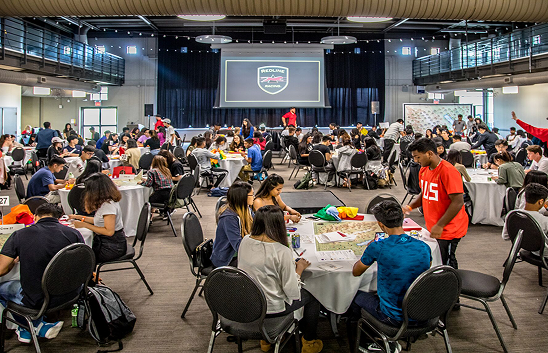
Global Delivery
Delivered consistently around the world through Eagle’s Flight’s global facilitator network.

Conferences & Kickoffs
High-impact experiences that align people around strategic priorities and accelerate momentum.
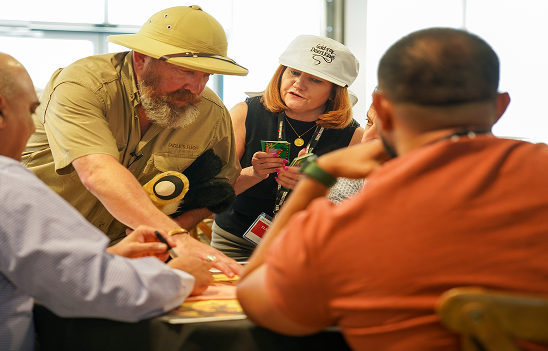
Themed Learning Experiences
Immersive themed learning experiences designed to create lasting leadership impact.
Different formats. One integrated system.
One goal: stronger change management in the moments that matter.
Building The Right Change Journey
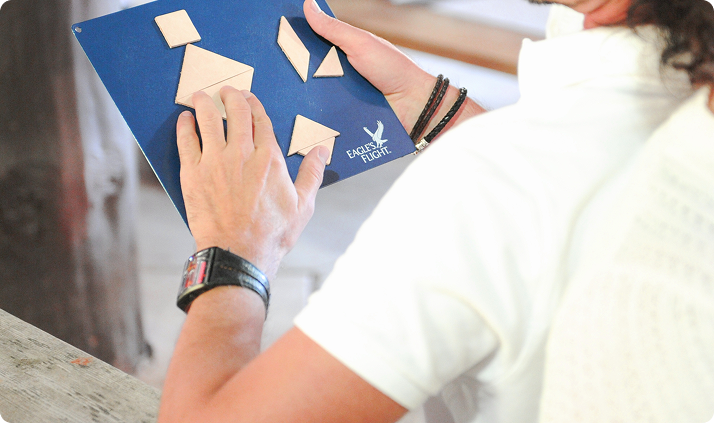
AI is accelerating the pace of change, but technology alone does not determine whether transformation succeeds. Whether integrating AI, restructuring, growing through acquisition or leading culture transformation, people still decide whether new ways of working become everyday habits.
While every initiative is unique, the challenge is remarkably consistent: helping people adopt and sustain new behaviors while continuing to perform.
Rather than delivering a one-size-fits-all program, Eagles Flight combines proven learning experiences, practical skill development, application, coaching, and reinforcement into capability journeys designed around your organization’s specific change challenges.
Because lasting change is built over time, not in a single communication or training event.
The Science of Behavior Change
Creating lasting change requires more than information alone. It requires helping people understand why a behavior matters, practice it in realistic conditions, and reinforce it until it becomes part of how work gets done.
Our Behavioral Science Whitepaper explores the principles that inform our approach to helping leaders and teams strengthen the behaviors that drive performance.
What Do People Return to Under Pressure?
Change is easy to support when conditions are stable. The real test comes when priorities compete, pressure rises, and people must decide which behaviors to carry forward and which habits to fall back on.
Lasting change depends on helping people adopt and trust the new way of working by reinforcing it consistently through leadership, coaching, and everyday decisions.
If you’d like to explore the behaviors influencing employee adoption of change in your organization, we’d be happy to continue the conversation.
Frequently Asked Questions
People rarely resist change simply because it is new. More often, they return to familiar ways of working when priorities compete, expectations become unclear, or confidence in the change begins to fade. Lasting employee adoption of change depends on building trust, reinforcing new behaviors, and helping people experience success with the new way of working.
Organizational change is the process of helping people adopt new ways of working as an organization evolves. It may involve new technology, restructuring, acquisitions, strategic shifts, or cultural transformation, but lasting change only occurs when new behaviors become part of everyday work.
Employee adoption of change improves when people understand why the change matters, believe leadership is committed to it, have opportunities to practise new behaviors, and receive ongoing coaching and reinforcement. Communication is important, but adoption happens through consistent experience, not announcements alone.
Leadership determines whether change becomes believable. People pay close attention to what leaders reinforce, tolerate, prioritize, and model through their actions. Consistent leadership behaviors build confidence, reduce uncertainty, and encourage people to adopt new ways of working.
Many initiatives begin with strong energy but gradually lose momentum as everyday pressures return. When leaders stop reinforcing new behaviors or competing priorities emerge, people naturally fall back on familiar habits. Sustaining change requires continued leadership, coaching, and reinforcement long after the initial launch.
AI may change how work is performed, but people still determine whether change succeeds. The introduction of new technology does not automatically create new behaviors. Successful AI adoption depends on leaders helping people build confidence, adapt their habits, and reinforce new ways of working over time.
We focus on the behaviors that determine whether change becomes part of everyday work. Through experiential learning, leaders and teams practice responding to uncertainty, building trust, reinforcing new behaviors, and leading others through change before applying those capabilities back on the job.
Successful change is reflected in both behavioral and business outcomes. Organizations often look for stronger employee adoption of change, greater consistency in how new ways of working are applied, higher engagement, improved execution, and measurable business results that are sustained over time.
Building lasting change is an ongoing process rather than a single initiative. Individual learning experiences can create important breakthroughs, but sustainable change comes through continued application, coaching, reinforcement, and leadership commitment as new behaviors become part of everyday work.